

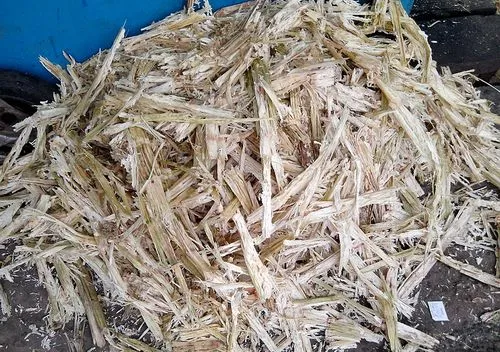
What is sugarcane bagasse?
Bagasse is a byproduct of sugar production. It is often used as a biofuel for the production of heat, energy, and electricity. Cellulose, hemicellulose, and lignin, are its major constituents and is typically dry and fibrous. It can also be used in the production of paper, as a source of renewable materials, and as a feedstock for biochemical processes
Advantages of using sugarcane bagasse tableware
- Home and Industrial Composting
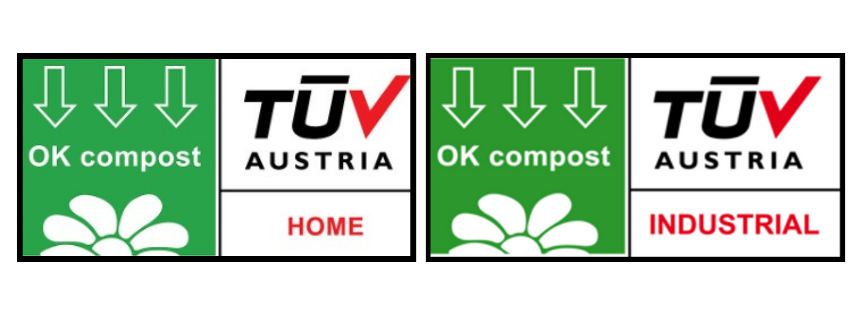
Our sugarcane bagasse products are certified by TUV Austria, which certifies our products for home composting to Australian standards (AS5810), and industrial composting to Australian standards (AS4736). This means it’ll biodegrade in 30-90 days in composting conditions, leaving behind no toxic residue and creating nutrient-rich compost. Many sugarcane bagasse products are designed to break down in home composting systems. Some of them are typically smaller-scale compost bins or piles found in residential settings. In such environments, the products can decompose into organic matter over a period of weeks to months.
2. Reduced Carbon Footprint
Bagasse is often used as a biofuel in sugar mills and other industries. When burned for energy, bagasse releases carbon dioxide, but this carbon dioxide was recently absorbed from the atmosphere by the growing sugarcane plants.
Therefore, the net carbon emissions from burning bagasse are considered neutral or even slightly negative over the lifecycle of sugarcane cultivation and bagasse utilization, compared to fossil fuels that release carbon dioxide stored underground for millions of years.
3. Non-toxic
Sugarcane bagasse is generally considered safe for food contact, as it does not leach harmful chemicals into food or the environment. In contrast, some plastics can release toxins over time, especially when exposed to heat or sunlight. Sugarcane bagasse is derived from the fibrous residue left after sugarcane stalks are crushed to extract juice. It consists mainly of cellulose, hemicellulose, and lignin, which are natural components of plant cell walls.
These compounds are generally inert and do not pose health risks. Bagasse products intended for food contact are designed to meet stringent food safety regulations and standards. Manufacturers ensure that their products do not impart harmful substances into food during normal use.